
Can Lactose-Intolerant People Eat Parmesan Cheese?
Parmesan cheese—often labeled as Parmigiano Reggiano—is widely loved for its rich, nutty flavor and versatility in cooking. One common question is whether people who are lactose intolerant can safely enjoy it. In many cases, the answer is yes.
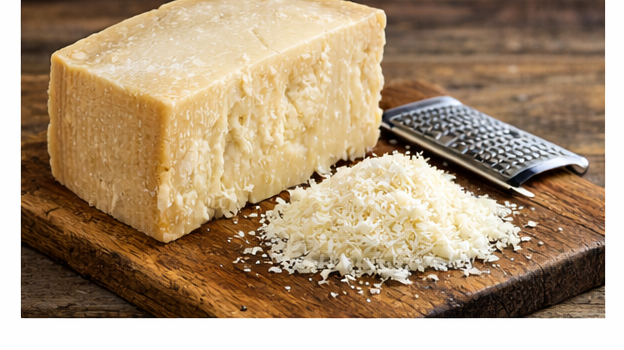
Parmesan is a long-aged cheese, typically matured for 12 to 36 months. During this aging process, natural enzymes and bacteria break down most of the lactose (milk sugar) that can cause digestive discomfort. By the time the cheese is fully aged, the lactose content is extremely low—often considered negligible.
Because of this, many lactose-intolerant individuals find they can eat Parmesan without experiencing symptoms such as bloating, gas, or stomach pain. In fact, authentic Parmigiano Reggiano is commonly cited as being extremely low in lactose after aging, making it one of the most lactose-friendly cheeses available.
That said, tolerance can vary from person to person. Fresh or pre-grated “Parmesan-style” cheeses may not be aged as long and could contain more lactose than traditional, aged Parmesan.
Bottom Line
If you are lactose intolerant, aged Parmesan is often a safe and flavorful option, especially when consumed in moderate amounts. Choosing authentic, well-aged varieties gives you the best chance of enjoying it comfortably.
Disclaimer
This article is for informational purposes only and is not intended as medical advice. Individual tolerance to lactose varies. If you have a diagnosed lactose intolerance, milk allergy, or other dietary condition, consult a healthcare professional before making dietary changes.